An Ecological, Hydrological, and Historical Overview
Understanding Moreton Bay and Its Watershed
Moreton Bay is more than a body of water. It is the heart of a vast, interconnected hydrological system stretching from the inland forests of the Great Dividing Range, through rivers and wetlands, to the bay and the Coral Sea. This dynamic watershed supports complex ecosystems, sustains human communities, and provides critical services such as water filtration, biodiversity support, and coastal protection.
For tens of thousands of years, Moreton Bay has been a place of abundance, shaped by its Traditional Custodians and, more recently, by colonisation and industrialisation. Today, oyster growers stand as integral facilitators of its ecological restoration, leveraging practical and sustainable methods to revive the bay’s health.
Collecting Water Samples
Ethically Farming
Testing & Reporting
The Ecological and Hydrological Function of Moreton Bay
The Moreton Bay watershed operates as an interconnected system, where the health of each part influences the whole:
Inland Forests and Headwaters:
Forests in the Great Dividing Range absorb rainfall and slowly release it into rivers and aquifers.
This reduces flooding during storms and sustains base flows during droughts.
Rivers and Tributaries:
Major waterways like the Brisbane River (Maiwar) and Oxley Creek (Benarrawa) carry water, sediments, and nutrients to Moreton Bay.
Healthy riverbanks stabilise soils, filter pollutants, and provide habitat.
Estuarine Zones:
Where freshwater meets saltwater, conditions ideal for oysters, mangroves, and seagrasses are created.
These ecosystems buffer storms and support vast marine biodiversity.
Marine Ecosystems:
Oyster reefs, coral reefs, and seagrass beds purify water, stabilise sediments, and provide nursery grounds for marine life.
Key Ecosystems of Moreton Bay
Mangroves:
Trap sediments, filter runoff, and protect coastlines from erosion and storm surges.
Seagrass Meadows:
Stabilise the seabed, cycle nutrients, and provide critical habitat for species like dugongs and turtles.
Oyster Reefs:
Historically abundant, oyster reefs filtered water and stabilised shorelines, contributing to water clarity and habitat complexity.
Coral Communities:
Contributed biodiversity and acted as natural barriers against wave energy.
Quandamooka People: Traditional Custodians of Moreton Bay
The Quandamooka people, including the Ngugi, Nunukul, and Goenpul clans, have lived in the Moreton Bay region for at least 21,000-25,000 years. Their stewardship practices harmonised with the landscape, ensuring its abundance for countless generations. Sustainable Practices
Middens: Evidence of sustainable shellfish harvesting, with shells returned to estuaries to promote oyster recruitment.
Seasonal Harvesting: Aligned with natural cycles, preserving ecological balance.
Cultural Significance: Moreton Bay was, and remains, a living entity imbued with spiritual and ecological value.
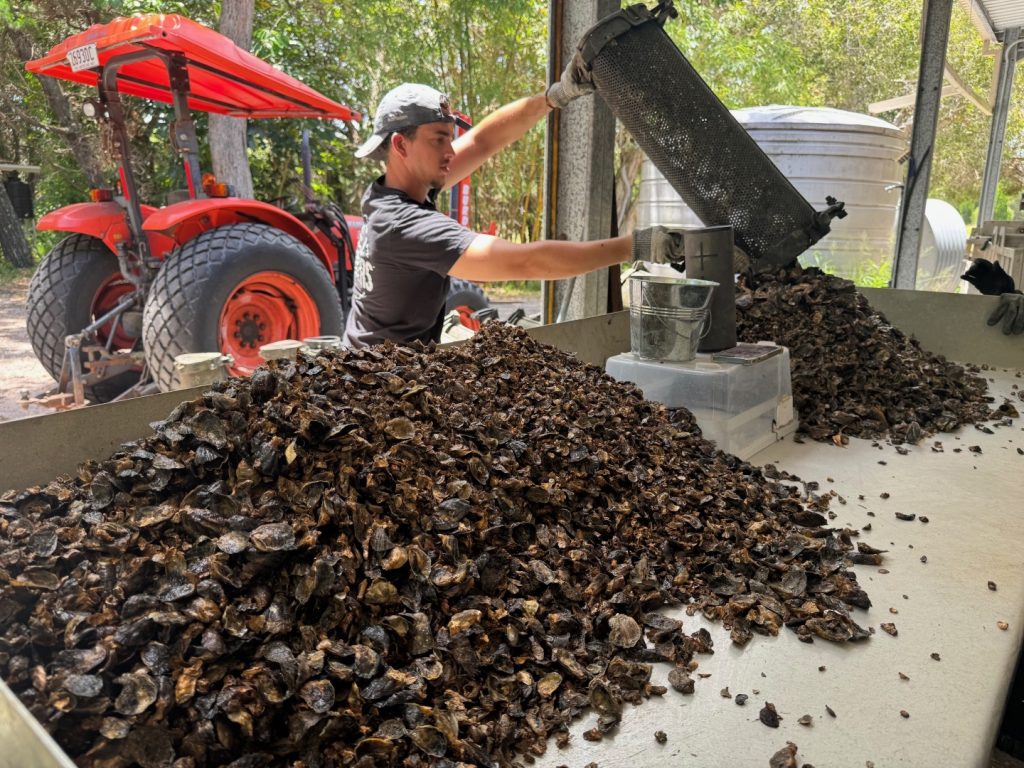
Today’s oyster growers are far more than producers-they are critical ecosystem facilitators, playing a direct role in the health and recovery of Moreton Bay. Practical Contributions
Expanding Sustainable Oyster Farming:
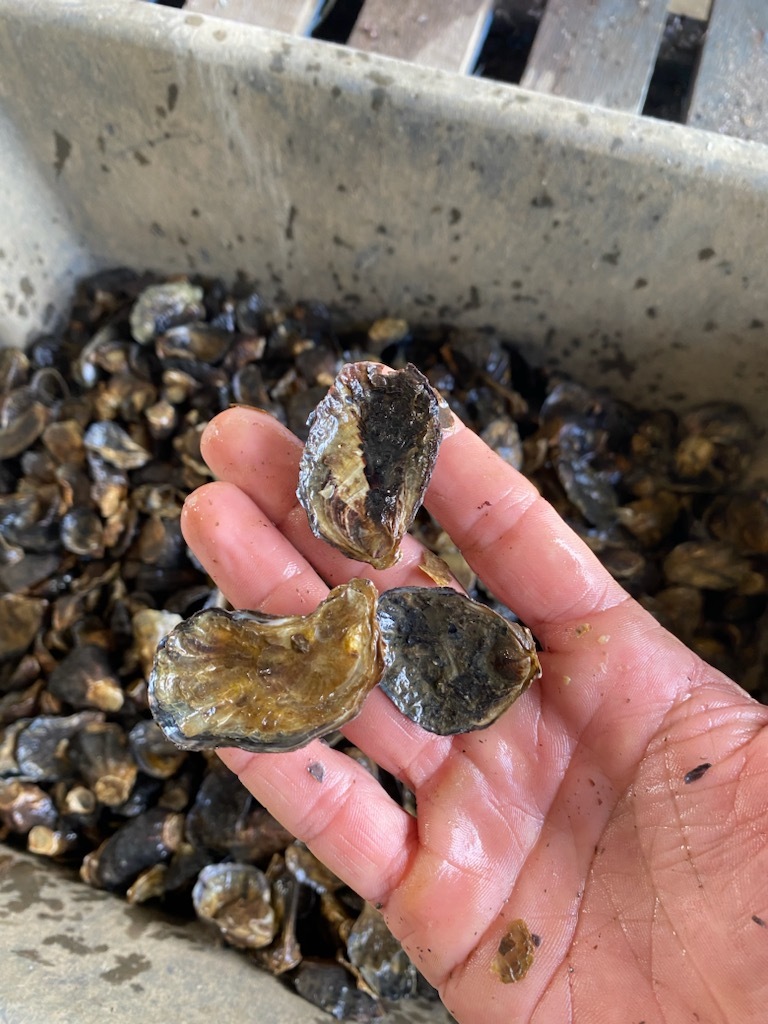
Successful oyster farms create structured habitats that attract natural oyster spat, supporting reef-like ecological benefits across the bay.
Expanded oyster farming improves water filtration, stabilises sediments, provides a vital source of nutritious food for local communities, and generates employment opportunities.
By growing oysters sustainably, farmers enhance biodiversity, support marine food webs, and contribute significantly to the social and economic wellbeing of the Moreton Bay region.
Improving Water Quality:
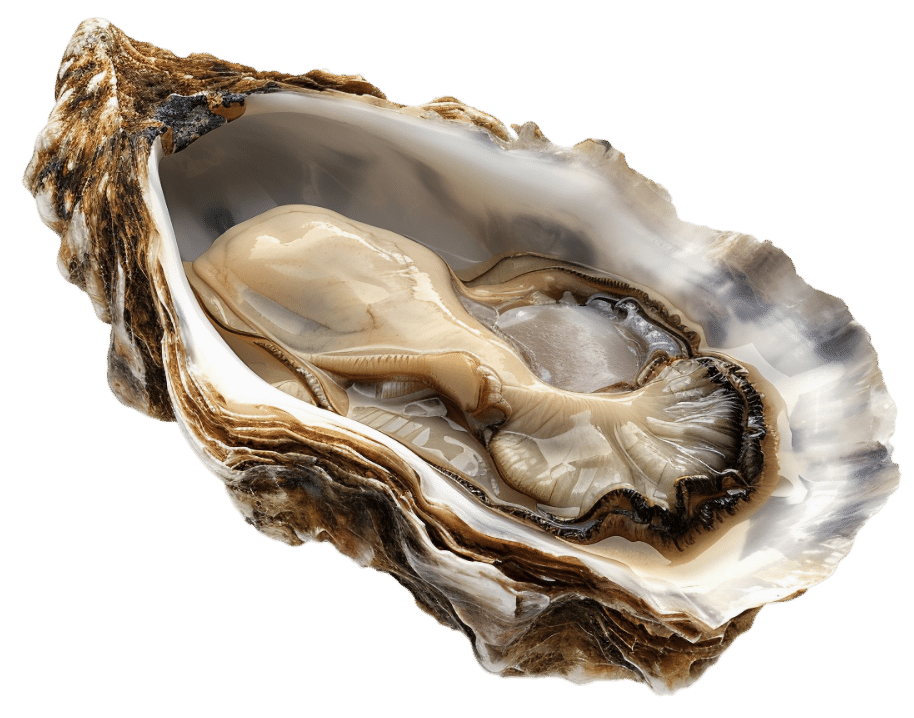
Each oyster filters up to 190 litres of water daily, removing nutrients and particulates that can cause algal blooms and degrade marine habitats.
Enhancing Biodiversity:
Farm structures become living ecosystems, providing refuge for juvenile fish, crabs, and other marine species, boosting biodiversity and strengthening the health of the bay.
Collaborating Across the Watershed:
Oyster growers actively partner with scientists, Traditional Custodians, and policymakers to support broader watershed management and ecosystem restoration efforts
Looking Forward: Integrated Watershed Restoration
Regenerating Moreton Bay’s vitality depends on a whole-of-system approach:
Reforest Inland Areas:
Plant trees in inland catchments to restore natural rainfall absorption and groundwater recharge.
Rehabilitate Wetlands:
Rebuild coastal wetlands to filter runoff, buffer floodwaters, and support biodiversity.
Restore Marine Habitats:
Rebuild oyster reefs, expand seagrass meadows, and protect mangrove forests.
Oyster growers have a unique and powerful role in this restoration. By farming responsibly and scaling reef-building practices, they help rebuild the ecological functions that sustain life across the entire bay.
Conclusion: A Collective Responsibility
Moreton Bay’s health is a reflection of its entire watershed. Restoring it requires reforestation of inland areas, reconnection of rivers, protection of estuaries, and the rebuilding of marine habitats.
Oyster growers are at the heart of this movement-bringing practical, measurable restoration with every farm and every oyster.
Through their stewardship, Moreton Bay can remain a place of abundance, biodiversity, and natural beauty for generations to come